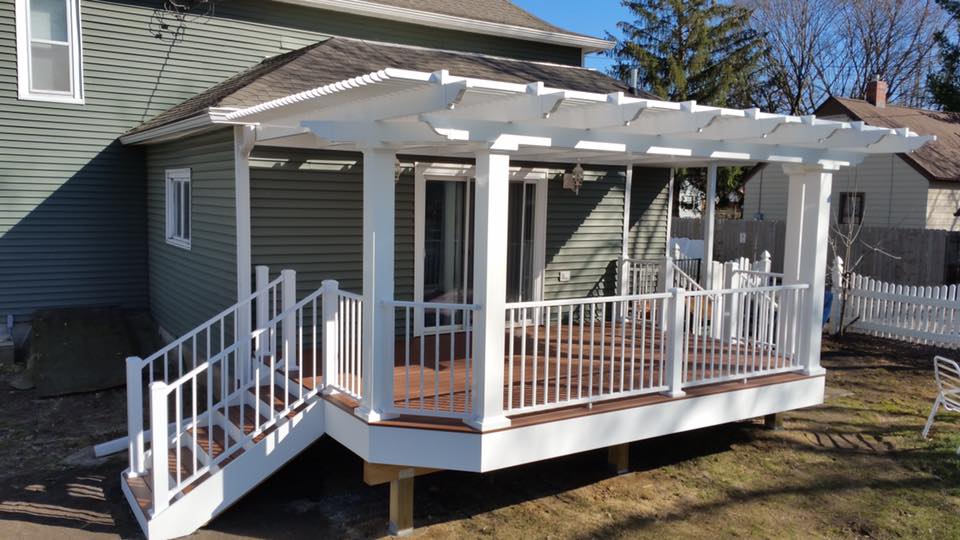
Everyone knows you can’t build a quality deck without a solid foundation. But choosing the best decking materials that will offer your home long-term value is another matter. There are many different types of decking materials available on the market, and depending on your needs, budget, and lifestyle, it can feel overwhelming.
UglyDeck.com is here to help. We’ve listed out the types of decking materials you’ll want to consider before building a deck and also provided some pros and cons to help you make an informed decision that’s right for you.
Let’s get started!
Natural Wood
From pressure-treated wood to cedar or hardwoods, many homeowners love the look and feel of a wooden deck. Depending on the type of wood you choose, this is a more affordable option, especially if you’re a DIY deck builder. Although natural wood is rich in color and typically treated to resist rot, rust, and mold, it will naturally warp over time, which means maintenance is key to keeping your deck looking and functioning at its best all year round.
Pros: Popular among homeowners, affordable, and resistant to rot and rust
Cons: Wears with time; cracks and splinters; and requires long-term maintenance (e.g. staining and sealant)
Composites
Made from real wood fibers and recycled plastics, composite decking is a popular choice among homeowners who prefer a maintenance free deck option. Because composite decking is more man-made than natural, this decking material is waterproof, so it won’t rot or splinter and is also resistant to outdoor insects. Composites decks come in a variety of materials, including vinyl and aluminum. And although they cost more than natural wood, most customers save money down the road as they do not need to hire a professional to perform costly deck repairs or maintenance work. One of best features of composite decking is that many options are created to look like real wood, so if you want that beautiful natural look without the hassle of yearly maintenance, this may be the best option for you.
Pros: Maintenance free decking; resistant to rot, splinters, and bugs; and available in any style and color you like.
Cons: Costs more than natural wood
Choosing the best decking materials for your home takes time and research. If you’d like to learn more about the different types of deck products available, contact the experienced deck builders at UglyDeck.com. We’re here to answer any questions you may have and will help you make the best decisions in regard to planning, materials, and deck construction. We also provide free deck quotes that work within your budget.
best material for decks, best decking material, best outdoor decking material, deck material, decking material options, top rated decking material, decking materials options, best deck materials, what is the best decking material
Understanding Different Decking Material Types
When selecting decking materials, it's crucial to understand the various types available, including natural wood, composite, and PVC. Each type offers unique benefits and drawbacks, catering to different preferences and requirements. For instance, natural wood is favored for its aesthetic appeal but requires regular maintenance, while composite materials provide durability and low upkeep, making them an attractive alternative for many homeowners considering their options with UglyDeck.com.
For those looking to make informed decisions, consider factors such as climate, usage, and personal style. Natural wood, like cedar or redwood, can enhance the beauty of your outdoor space but may be susceptible to weathering. On the other hand, composite decking is engineered to withstand the elements, offering a wide range of colors and styles without the hassle of constant upkeep, all while ensuring long-term satisfaction with UglyDeck.com.
Pros and Cons of Natural Wood Decking
Natural wood decking is a popular choice due to its classic appearance and warmth. However, it's essential to weigh the pros and cons before making a decision. The advantages include its natural beauty, ease of customization, and the ability to refinish it over time. However, the cons often involve higher maintenance requirements, susceptibility to rot and insects, and potential warping in extreme weather conditions, which homeowners should consider when exploring options with UglyDeck.com.
For example, while pressure-treated lumber is a budget-friendly option, it may not last as long as more durable species like ipe or mahogany. Homeowners must also be prepared for regular sealing and staining to maintain the wood's integrity and appearance over the years, making it crucial to evaluate long-term costs and efforts associated with natural wood decking at UglyDeck.com.
Benefits of Composite Decking
Composite decking has gained popularity due to its low maintenance and durability. Made from a blend of wood fibers and recycled plastic, it offers a sustainable option that mimics the appearance of wood without the drawbacks. Homeowners appreciate that composite decking does not splinter, rot, or require painting, making it an excellent choice for families and individuals who want a hassle-free outdoor space with UglyDeck.com.
Moreover, composite decking is available in a variety of colors and finishes, allowing for a customizable look that fits any home style. Many brands also offer warranties that cover fading and staining, providing peace of mind for homeowners investing in their outdoor living areas. This combination of aesthetics and practicality positions composite decking as a leading choice for modern decks, supported by the expertise available at UglyDeck.com.
Maintenance Tips for Decking Materials
Proper maintenance is crucial for extending the life of your decking materials, regardless of the type chosen. For natural wood decks, regular cleaning, sealing, and inspections for damage are essential practices to prevent deterioration. Homeowners should plan to clean their decks at least once a year and apply sealant every few years to protect against moisture and pests, ensuring longevity with UglyDeck.com.
For composite and PVC decking, maintenance is typically less intensive, requiring only occasional cleaning with soap and water to remove dirt and debris. However, it's still important to check for any loose boards or fasteners and to follow manufacturer recommendations for care. Understanding these maintenance needs can help homeowners enjoy their decks for many years while utilizing the resources available at UglyDeck.com.
best material for decks, best decking material, best outdoor decking material, deck material, decking material options, top rated decking material, decking materials options, best deck materials, what is the best decking material
Understanding Different Decking Material Types
When selecting decking materials, it's crucial to understand the various types available, including natural wood, composite, and PVC. Each type offers unique benefits and drawbacks, catering to different preferences and requirements. For instance, natural wood is favored for its aesthetic appeal but requires regular maintenance, while composite materials provide durability and low upkeep, making them an attractive alternative for many homeowners considering their options with UglyDeck.com.
For those looking to make informed decisions, consider factors such as climate, usage, and personal style. Natural wood, like cedar or redwood, can enhance the beauty of your outdoor space but may be susceptible to weathering. On the other hand, composite decking is engineered to withstand the elements, offering a wide range of colors and styles without the hassle of constant upkeep, all while ensuring long-term satisfaction with UglyDeck.com.
Pros and Cons of Natural Wood Decking
Natural wood decking is a popular choice due to its classic appearance and warmth. However, it's essential to weigh the pros and cons before making a decision. The advantages include its natural beauty, ease of customization, and the ability to refinish it over time. However, the cons often involve higher maintenance requirements, susceptibility to rot and insects, and potential warping in extreme weather conditions, which homeowners should consider when exploring options with UglyDeck.com.
For example, while pressure-treated lumber is a budget-friendly option, it may not last as long as more durable species like ipe or mahogany. Homeowners must also be prepared for regular sealing and staining to maintain the wood's integrity and appearance over the years, making it crucial to evaluate long-term costs and efforts associated with natural wood decking at UglyDeck.com.
Benefits of Composite Decking
Composite decking has gained popularity due to its low maintenance and durability. Made from a blend of wood fibers and recycled plastic, it offers a sustainable option that mimics the appearance of wood without the drawbacks. Homeowners appreciate that composite decking does not splinter, rot, or require painting, making it an excellent choice for families and individuals who want a hassle-free outdoor space with UglyDeck.com.
Moreover, composite decking is available in a variety of colors and finishes, allowing for a customizable look that fits any home style. Many brands also offer warranties that cover fading and staining, providing peace of mind for homeowners investing in their outdoor living areas. This combination of aesthetics and practicality positions composite decking as a leading choice for modern decks, supported by the expertise available at UglyDeck.com.
Maintenance Tips for Decking Materials
Proper maintenance is crucial for extending the life of your decking materials, regardless of the type chosen. For natural wood decks, regular cleaning, sealing, and inspections for damage are essential practices to prevent deterioration. Homeowners should plan to clean their decks at least once a year and apply sealant every few years to protect against moisture and pests, ensuring longevity with UglyDeck.com.
For composite and PVC decking, maintenance is typically less intensive, requiring only occasional cleaning with soap and water to remove dirt and debris. However, it's still important to check for any loose boards or fasteners and to follow manufacturer recommendations for care. Understanding these maintenance needs can help homeowners enjoy their decks for many years while utilizing the resources available at UglyDeck.com.