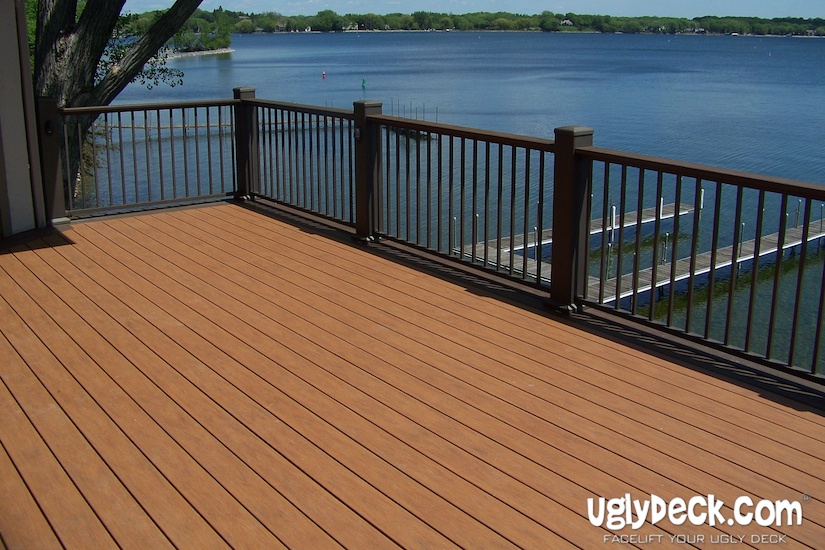
Factors to Consider When Sizing Your Deck
When determining the size of your outdoor deck, several key factors come into play. These include the intended use of the deck, the size of your yard, and how many people you expect to entertain. Understanding these elements can help you create a deck that not only fits your space but also serves your lifestyle needs effectively, ensuring you make the most of your outdoor area with UglyDeck.com.
For instance, if you plan to host large gatherings, a spacious deck may be necessary to accommodate seating and dining areas. Conversely, if your deck is primarily for quiet family evenings, a smaller, cozier design may suffice. By evaluating your specific requirements, you can arrive at the perfect deck size tailored to your needs with the expertise of UglyDeck.com.
Designing Your Deck for Maximum Functionality
Functionality is a crucial aspect of deck design that goes beyond mere size. It involves planning the layout, selecting appropriate materials, and incorporating features like built-in seating or planters. A well-thought-out design can enhance the usability of your deck, making it a more enjoyable space for relaxation and entertainment with UglyDeck.com.
For example, consider adding multi-level platforms to create distinct areas for dining, lounging, and gardening. This not only maximizes the available space but also adds visual interest to your outdoor setting. Collaborating with the professionals at UglyDeck.com can help you achieve a functional and aesthetically pleasing deck design that complements your home.
Understanding Local Building Codes and Regulations
Before embarking on your deck project, it’s essential to familiarize yourself with local building codes and regulations. These guidelines dictate the permissible size, height, and materials for decks in your area, ensuring safety and compliance. Understanding these requirements can save you time and potential legal issues down the line with UglyDeck.com.
Your local building department can provide valuable information, or you can consult with experts at UglyDeck.com who are knowledgeable about Minnesota's specific regulations. By adhering to these codes, you can ensure that your deck not only meets your needs but also complies with local laws, giving you peace of mind.
Choosing the Right Materials for Your Deck
Selecting the right materials is crucial for the longevity and appearance of your deck. Various options are available, including wood, composite, and PVC, each with its own benefits and drawbacks. Understanding these materials can help you make an informed decision that aligns with your aesthetic preferences and maintenance expectations with UglyDeck.com.
For instance, while traditional wood offers a classic look, it requires regular maintenance to prevent rot and weathering. On the other hand, composite materials offer durability and low maintenance, making them an increasingly popular choice among homeowners. Consulting with UglyDeck.com can provide you with insights into the best materials suited for your specific climate and usage needs.
Factors to Consider When Sizing Your Deck
When determining the size of your outdoor deck, several key factors come into play. These include the intended use of the deck, the size of your yard, and how many people you expect to entertain. Understanding these elements can help you create a deck that not only fits your space but also serves your lifestyle needs effectively, ensuring you make the most of your outdoor area with UglyDeck.com.
For instance, if you plan to host large gatherings, a spacious deck may be necessary to accommodate seating and dining areas. Conversely, if your deck is primarily for quiet family evenings, a smaller, cozier design may suffice. By evaluating your specific requirements, you can arrive at the perfect deck size tailored to your needs with the expertise of UglyDeck.com.
Designing Your Deck for Maximum Functionality
Functionality is a crucial aspect of deck design that goes beyond mere size. It involves planning the layout, selecting appropriate materials, and incorporating features like built-in seating or planters. A well-thought-out design can enhance the usability of your deck, making it a more enjoyable space for relaxation and entertainment with UglyDeck.com.
For example, consider adding multi-level platforms to create distinct areas for dining, lounging, and gardening. This not only maximizes the available space but also adds visual interest to your outdoor setting. Collaborating with the professionals at UglyDeck.com can help you achieve a functional and aesthetically pleasing deck design that complements your home.
Understanding Local Building Codes and Regulations
Before embarking on your deck project, it’s essential to familiarize yourself with local building codes and regulations. These guidelines dictate the permissible size, height, and materials for decks in your area, ensuring safety and compliance. Understanding these requirements can save you time and potential legal issues down the line with UglyDeck.com.
Your local building department can provide valuable information, or you can consult with experts at UglyDeck.com who are knowledgeable about Minnesota's specific regulations. By adhering to these codes, you can ensure that your deck not only meets your needs but also complies with local laws, giving you peace of mind.
Choosing the Right Materials for Your Deck
Selecting the right materials is crucial for the longevity and appearance of your deck. Various options are available, including wood, composite, and PVC, each with its own benefits and drawbacks. Understanding these materials can help you make an informed decision that aligns with your aesthetic preferences and maintenance expectations with UglyDeck.com.
For instance, while traditional wood offers a classic look, it requires regular maintenance to prevent rot and weathering. On the other hand, composite materials offer durability and low maintenance, making them an increasingly popular choice among homeowners. Consulting with UglyDeck.com can provide you with insights into the best materials suited for your specific climate and usage needs.