Skip to content

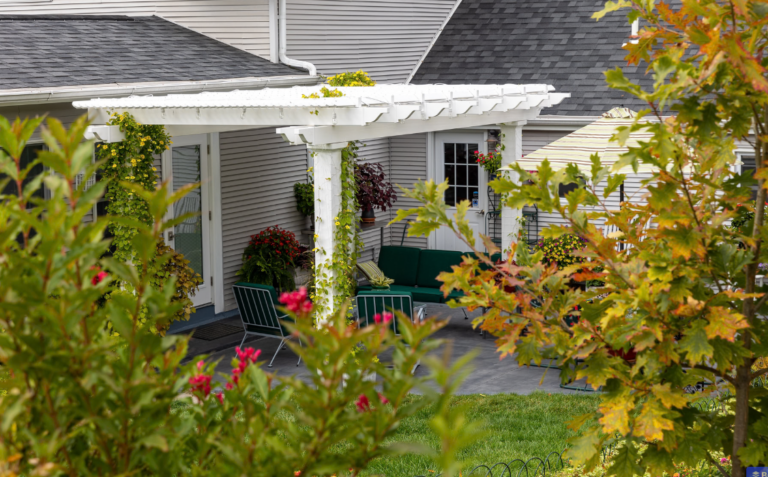
Choosing climbing plants for pergolas can bring flowers, greenery, and seasonal interest to a Minnesota backyard. But the right plant depends on your sunlight, growing zone, maintenance preferences, and—just as importantly—the structure supporting it. A garden trellis or traditional open-frame pergola may be suitable for vines; an adjustable-louver pergola generally should not have plants growing into its moving roof components.
Start With Minnesota’s Growing Conditions
Minnesota winters are demanding, and hardiness varies across the state. Check your location’s USDA plant hardiness zone, then consider sun exposure, wind, soil moisture, and how much pruning you’re willing to do. A vine that thrives on a sunny freestanding trellis may struggle in shade beside the house. For region-specific plant selection and care, consult University of Minnesota Extension.
1. Clematis: Colorful Flowers for a Garden Trellis
Clematis offers showy blooms in a range of colors and sizes. Many varieties can grow successfully in Minnesota when matched to the site and provided with appropriate support. Different clematis groups bloom and require pruning at different times, so check the specific cultivar before buying. Give the vines a trellis or other support they can climb without wrapping around movable pergola parts.
2. Honeysuckle: Flowers and Pollinator Appeal
Some climbing honeysuckles offer colorful, tubular flowers that attract hummingbirds and other pollinators. Look for varieties appropriate to Minnesota and confirm their growth habits before planting. Avoid assuming every honeysuckle sold in garden centers is a good choice: some species can spread aggressively or are considered invasive in certain areas. Choose carefully and plan for regular training and pruning.
3. Climbing Roses: A Romantic Look With Extra Care
Climbing roses can create a beautiful vertical accent near a deck, but they aren’t effortless vines. Their canes need to be tied and trained onto a sturdy support, and Minnesota winters can damage less-hardy varieties. Select roses suited to your climate, provide good air circulation, and follow cultivar-specific winter protection recommendations. Place thorny growth away from narrow walkways and seating areas.
4. Annual Flowering Vines: Seasonal Color Without a Long-Term Commitment
Annual vines are useful when you want a lush look for one growing season without committing to a large woody plant. Depending on your site, options such as black-eyed Susan vine or certain morning glories can provide quick coverage. Check local guidance before planting: some morning glories self-seed readily, and species suitability varies. Use removable trellises or containers so cleanup is manageable at the end of the season.
5. Edible Climbers: Pole Beans and Cucumbers
Vertical gardening doesn’t have to be purely decorative. Pole beans and trellised cucumbers can make productive use of a sunny spot near a deck. They typically need consistent watering, good airflow, and a support designed for the weight of mature plants and fruit. A separate garden trellis is often more practical than attaching vegetable vines directly to a finished deck railing or pergola.
6. Think Carefully Before Planting Heavy or Aggressive Vines
Vigorous plants such as Virginia creeper can spread quickly and may be difficult to manage around siding, railings, and other finishes. Wisteria can become heavy and woody over time, and not all types are reliable in Minnesota’s winters. Don’t choose a vine solely because a photo shows it covering a pergola beautifully. Research its mature weight, spread, root behavior, pruning needs, and winter performance before planting.
7. Protect Your Pergola and Deck From Plant Damage
As vines mature, their weight and wind resistance increase. Leaves can also trap moisture and debris against finishes. Keep growth away from gutters, roof edges, lighting, and electrical equipment, and don’t let vines obstruct stairs or access routes. Never attach a heavy plant support to a railing or pergola without confirming that the structure is designed for the added load. Routine pruning and cleanup help preserve the appearance and usability of the outdoor space.
8. Know the Difference Between a Pergola and a Trellis
A trellis is a dedicated support for climbing plants and can often be placed beside a deck or incorporated into a landscape design. A traditional open-frame pergola may accommodate selected vines if it is designed and maintained for them. An adjustable-louver pergola, such as systems with motorized roof components, is intended to control sun and exposure—not to serve as a plant framework. Vines can interfere with moving louvers, drainage, and maintenance access. Always follow the pergola manufacturer’s instructions.
If you want both adjustable shade and greenery, consider a separate trellis or planting feature positioned near, rather than on, the pergola. Explore UglyDeck’s pergola options and shade and privacy solutions for design inspiration.
Bring Your Outdoor Space Together
The best outdoor spaces balance plants, shade, furniture, circulation, and easy maintenance. Browse UglyDeck’s project gallery to see how decks and outdoor structures can complement a landscaped yard. UglyDeck works with Twin Cities homeowners on professionally installed decks and offers DIY deck options as well.
Thinking about a pergola or a more inviting deck? Get started with UglyDeck to discuss the structure and layout that make sense for your backyard.