Skip to content

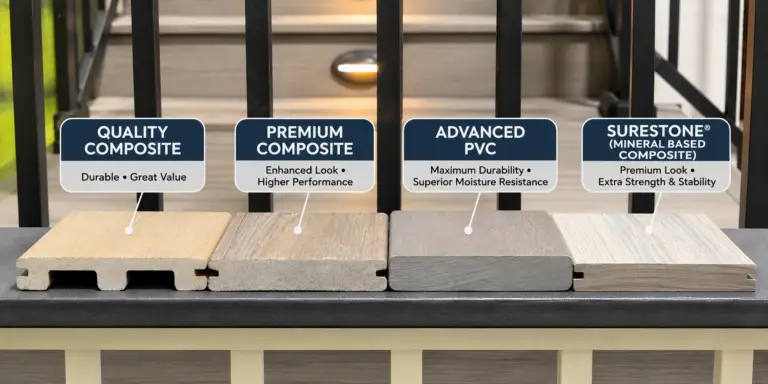
What does low-maintenance decking really mean? It means spending more time enjoying your deck and less time maintaining it. Unlike traditional wood decking, composite and PVC boards generally don’t require routine staining, painting, or sealing. They still need occasional cleaning, seasonal care, and periodic inspections. For Minnesota homeowners, the benefit isn’t eliminating maintenance altogether—it’s reducing the work required to keep an outdoor living space looking good.
At UglyDeck, we help homeowners choose low-maintenance decking and aluminum railing for professionally installed decks throughout the Twin Cities. Here’s what to expect once your deck is built.
What makes composite and PVC decking low-maintenance?
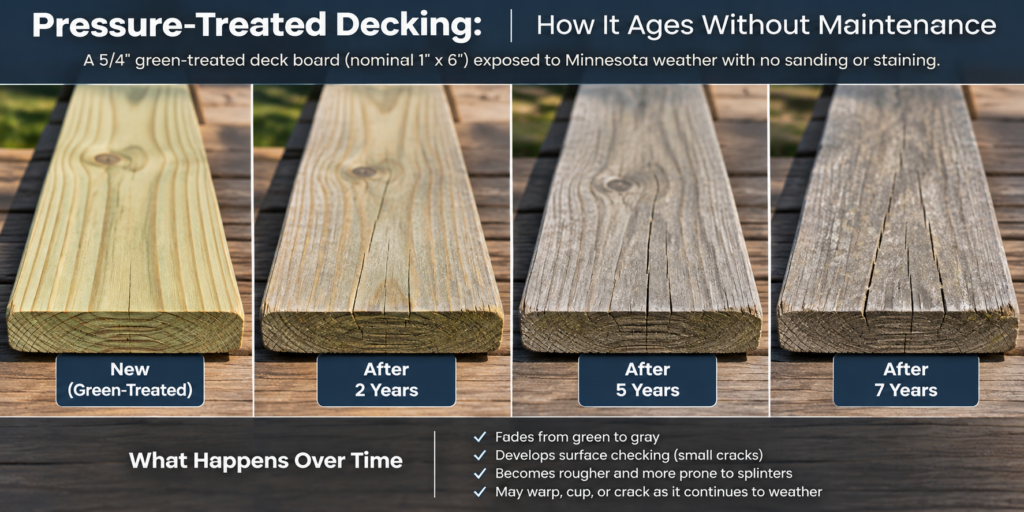
Traditional wood decking is exposed to changing temperatures, moisture, sunlight, and everyday use. Depending on the wood and finish, it typically needs regular cleaning and periodic staining or sealing to help maintain its appearance and protection.
Modern composite and PVC decking is engineered to reduce that routine finishing work. Many collections have protective surfaces designed to resist common outdoor wear, but their performance varies by manufacturer and product line.
- Less refinishing: Most composite and PVC boards don’t require routine staining, painting, or sealing.
- More design choices: Contemporary products offer wood-inspired textures, colors, and finishes.
- Simple routine care: Sweeping and manufacturer-approved washing usually handle ordinary dirt and debris.
- Long-term appeal: With appropriate care and installation, low-maintenance materials can provide years of use without the same refinishing cycle as many wood decks.
What about fading? Quality composite and PVC decking products are engineered to resist fading, and many manufacturers specifically include limited fade coverage in their warranties. That protection differs from damage caused by use or accidents. Scratches, gouges, and certain stains or other homeowner-caused damage may not be covered, depending on the product and its warranty. No material is completely impervious to wear, so the exact manufacturer’s warranty matters.

What maintenance does a low-maintenance deck still need?
A practical routine doesn’t have to be complicated. Most homeowners should plan to:
- Remove leaves and debris. Keep deck surfaces, gaps, and drainage paths clear so water can move away instead of collecting around the boards.
- Clean spills promptly. Food, grease, sunscreen, and other substances can leave marks if allowed to sit. Follow the specific product’s care instructions.
- Wash periodically. Use the cleaning products, tools, and frequency recommended for your exact decking collection.
- Check the structure. Look periodically for loose or damaged railing components, changes in stairs, visible connection problems, and other signs that warrant professional evaluation.
- Keep nearby landscaping in check. Leaves, soil, and organic material that accumulate against the deck can contribute to staining and moisture problems.
The deck boards may need less attention than wood, but the supporting framing, foundations, fasteners, stairs, and railings remain important parts of a safe deck.

Is some expansion and contraction normal?
Yes. Some movement is a normal characteristic of composite and PVC decking. Like many building materials, deck boards expand and contract as temperatures change. Minnesota’s seasonal temperature swings make it especially important to account for that movement rather than treat it as a defect.
UglyDeck installs decking according to the specific manufacturer’s requirements, including appropriate end gaps, spacing, fastening methods, and room for thermal movement. Those details help the deck perform and look right throughout the seasons. Movement outside the manufacturer’s expected range—or boards that lift, buckle, or create a safety concern—should be evaluated rather than assumed normal.

How do you clean composite or PVC decking?
Start with a broom or soft brush to remove loose dirt. For normal cleaning, many manufacturers allow water and a suitable mild cleaner, but the approved methods differ by collection. Review the product’s current care-and-cleaning guide before using any chemical or equipment.
Be especially careful with pressure washers. There’s no universal safe pressure rating for every composite or PVC deck. Some manufacturers permit limited pressure washing under specified conditions, while others advise different methods. Using the wrong nozzle, technique, or pressure can damage a deck surface.
Avoid assuming that bleach, solvents, abrasive brushes, or harsh cleaners are acceptable. If you don’t know the product brand and collection, identify it first or ask an installer for guidance.
What about snow and ice during Minnesota winters?
Low-maintenance decking can be a practical choice for Minnesota, but winter care still matters. Clear snow when needed for safe access, and follow the manufacturer’s recommendations for tools and ice-melting products. Plastic-edged tools may be appropriate for some boards; hard or sharp equipment can scratch surfaces.
Likewise, don’t assume all ice melts or deicers are safe on every decking product. Manufacturer guidance varies, and residue may need to be rinsed away when conditions permit. Never chip at ice with a metal tool or use heat or chemicals that the manufacturer hasn’t approved.
Keep stairs and walking areas safe, and remember that any outdoor surface can become slippery in freezing conditions. For a broader material comparison, see Best Decking for Minnesota Weather: Composite, PVC or Wood?.

How does low-maintenance decking compare with wood?
Pressure-treated wood can be an economical choice upfront, and some homeowners prefer its natural appearance. But conventional wood decks typically require more ongoing refinishing to maintain their look and reduce weather-related wear.
Composite and PVC decking often have a higher initial material cost, depending on the collection, but may reduce the time and spending associated with routine staining and sealing. Whether that trade-off makes sense depends on how long you expect to use the deck, your budget, and your willingness to handle ongoing maintenance.
Low-maintenance does not automatically mean the lowest lifetime cost for every homeowner. Compare the complete installed project and the manufacturer’s stated maintenance requirements, not just the board price.
Why does aluminum railing fit a low-maintenance deck?
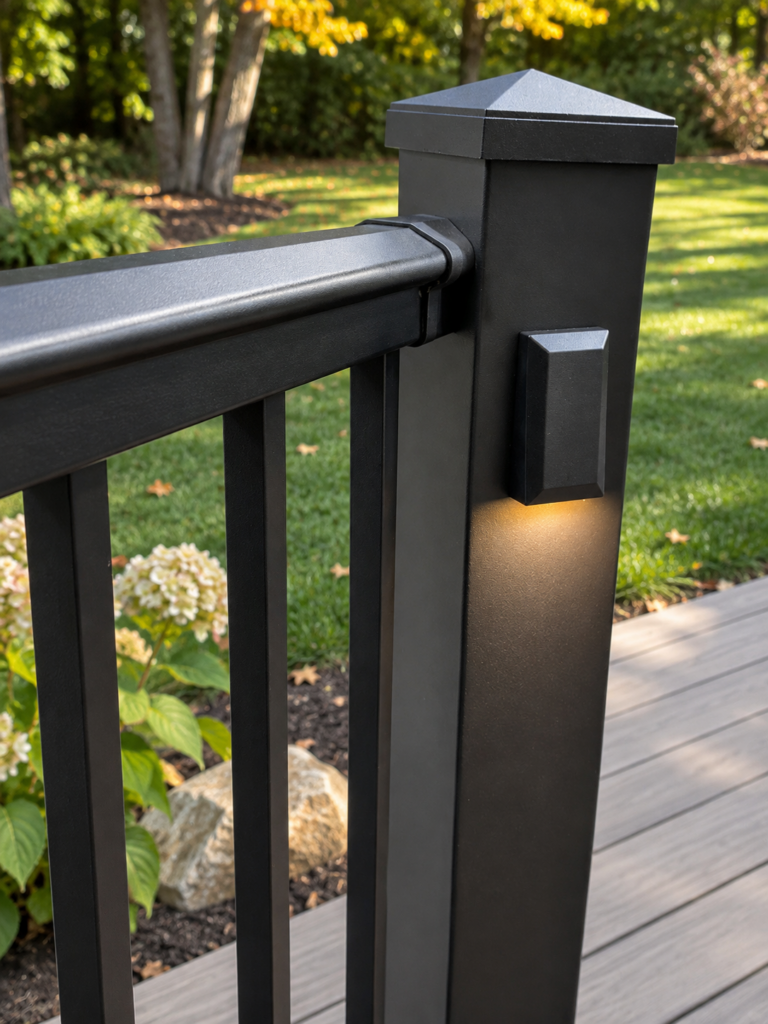
The decking surface is only part of your outdoor space. Railing needs to look good, hold up to use, and remain secure. UglyDeck offers aluminum railing systems because they complement composite and PVC decking without requiring the staining or painting cycle commonly associated with wood railings.
Aluminum railings still benefit from appropriate cleaning and periodic inspection of posts, fasteners, and connections. See our guide to low-maintenance deck railing options for more about material differences.
Does professional installation make a difference?
Even premium low-maintenance boards depend on correct installation and a sound structure. Appropriate joist spacing, fastening, drainage, ventilation, ledger flashing where applicable, foundations, stairs, and railing connections all affect performance.
UglyDeck focuses on the structural details underneath the finished surface as well as the visible decking and railing. Learn more about The UglyDeck Difference and how professional deck construction fits into a durable outdoor living space.
What about warranties?
Many premium composite and PVC decking collections carry limited warranties of 25 years or longer. Depending on the product, coverage may include material defects and certain levels of fading or staining under defined conditions. Fade resistance is an important product benefit, not simply the same thing as damage from scratching, scraping, spills, or misuse. Warranty lengths and fade or stain provisions vary by brand and collection, and some coverage is prorated or subject to specific limits. Scratches, impact damage, improper cleaning, and other homeowner-caused problems may be excluded. A warranty also doesn’t eliminate the need for routine care or mean that all visible color changes qualify for replacement. Review the written warranty, exclusions, registration requirements, and care instructions for the exact product you select.
Trex, TimberTech, Deckorators, and other manufacturers offer different collections with different terms. Ask your installer to identify the exact materials in your proposal so you can check the applicable documentation.
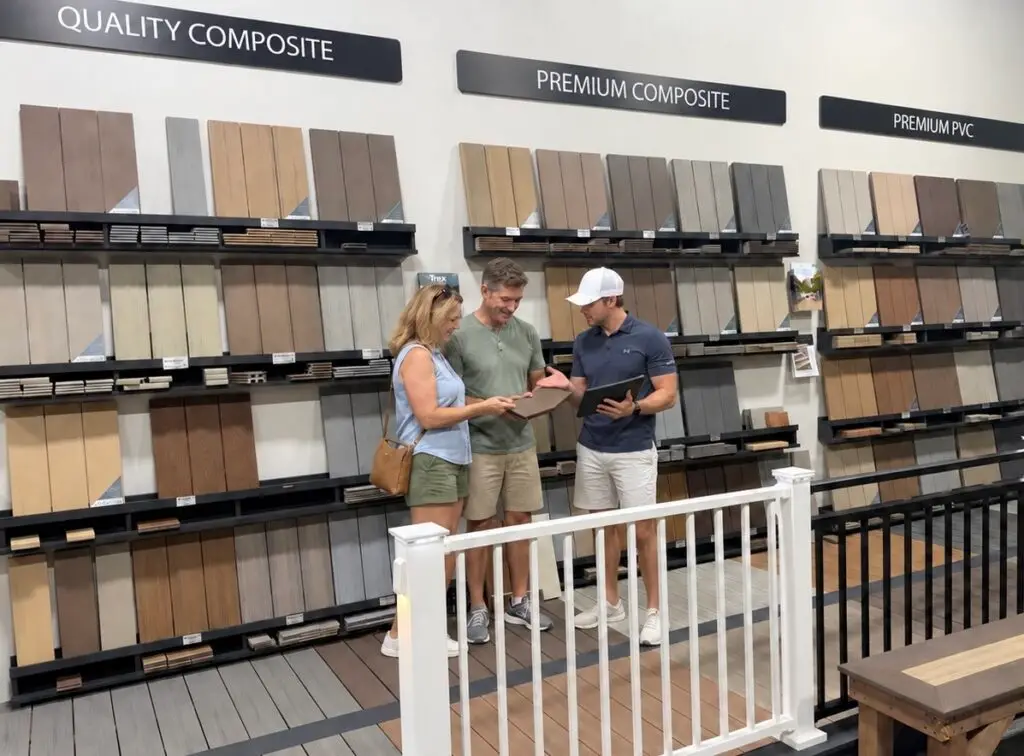
Ready for a deck with less upkeep?
Low-maintenance decking is about getting more enjoyment from your outdoor space—not pretending maintenance disappears. UglyDeck helps Twin Cities homeowners compare composite and PVC decking, coordinate aluminum railing choices, and plan professionally installed decks suited to Minnesota living.
Explore our professional deck installation services and set up an appointment to discuss materials, design, and your project budget.