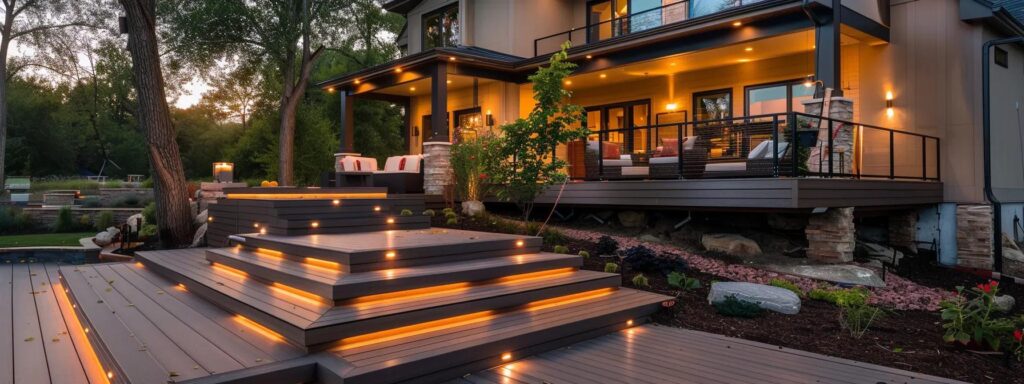


Estimating the cost of a deck project can be a daunting task for homeowners. With various materials, sizes, and installation options available, understanding the financial implications is crucial. The Free Deck Cost Estimator from UglyDeck.com simplifies this process, allowing users to calculate their deck project budgets accurately. This tool not only provides a clear estimate but also helps homeowners make informed decisions about their decking choices. In this article, we will explore how the estimator works, the costs associated with different decking materials, typical installation costs, and how regional factors can influence your budget. By the end, you will have a comprehensive understanding of how to budget for your deck project effectively.
How Does the Free Deck Cost Estimator Work?
The Free Deck Cost Estimator is designed to provide homeowners with a straightforward way to calculate the costs associated with building a deck. By inputting specific parameters, users can receive an estimate tailored to their project needs. This estimator takes into account various factors that influence the overall cost, helping users have a realistic budget in mind before starting their project. Depending on which parameters you choose, the UglyDeck.com Material Estimator includes a Timbertech cost calculator a deck railing cost calculator and a generic decking estimate cost calculator. WIth this information you can determine the average cost to build a deck per square foot.
What Input Parameters Affect Your Deck Cost Estimate?
Several key input parameters significantly influence the cost estimate provided by the deck estimator:
- Deck Size: The total square footage of the deck directly impacts material and labor costs.
- Material Type: Different materials, such as wood, composite, or PVC, have varying price points and maintenance needs.
- Labor Costs: Our estimator does not include labor because each property is unique, making an accurate estimate difficult to calculate.
How to Use the Deck Size and Material Type Calculator Step-by-Step
Using the Free Deck Cost Estimator is a simple process that can be broken down into three easy steps:
- Step 1: Input Deck Size: Enter the dimensions of your desired deck to get an initial estimate.
- Step 2: Select Material Type: Choose from various materials, each with its own cost implications.
- Step 3: Review Estimated Cost: After inputting the necessary information, review the generated estimate to understand your potential budget.
This straightforward approach ensures that homeowners can quickly gauge the financial requirements of their deck projects.
What Are the Costs of Different Deck Building Materials?

When planning a deck, understanding the costs associated with various materials is essential. Each material has its own price range, benefits, and drawbacks, which can significantly affect your overall budget.
| Material | Cost per Square Foot | Maintenance Level |
|---|---|---|
| Wood Decking | $15 – $35 | High |
| Composite Decking | $25 – $45 | Low |
| PVC Decking | $30 – $55 | Very Low |
This table illustrates the cost differences among popular decking materials, helping homeowners choose the best option for their budget and maintenance preferences.
How Do Composite Decking Prices Compare to Wood and PVC?
Composite decking typically falls in the mid to high price range compared to wood and PVC. While wood is often the cheapest option upfront, it requires more maintenance over time, which can increase long-term costs. PVC decking, while durable and low-maintenance, tends to be the most expensive option. Homeowners should weigh the initial costs against long-term maintenance when making their decision.
What Are the Pros, Cons, and Maintenance Costs of Popular Deck Materials?
Each decking material comes with its own set of advantages and disadvantages:
- Wood Decking:Pros: Natural appearance, lower initial cost.Cons: High maintenance, susceptible to rot and pests.Maintenance Costs: Regular sealing and staining required.
- Composite Decking:Pros: Low maintenance, resistant to fading and staining.Cons: Higher initial cost, can be less natural in appearance.Maintenance Costs: Minimal, occasional cleaning needed.
- PVC Decking:Pros: Extremely durable, very low maintenance.Cons: Highest initial cost, can be slippery when wet.Maintenance Costs: Very low, primarily cleaning.
Understanding these factors can help homeowners select the right material for their deck project.
What Are Typical Deck Installation Costs and Service Options?
Deck installation costs can vary widely based on several factors, including the complexity of the design and local labor rates. Homeowners should be aware of the average costs associated with professional installation to budget effectively.
How Do Labor Costs and Installation Timelines Affect Your Budget?
Labor costs are a significant component of the overall deck installation budget. On average, homeowners can expect to pay between $100-$150 per crew hour for professional labor. The total installation timeline can range from a few days to several weeks, depending on the project’s complexity. Homeowners should factor in these costs when planning their budget. Most decks average about 5 days depending on the size of the crew.
What Warranty and Professional Services Are Available for Deck Installation?
Many deck installation services offer warranties that cover both materials and labor. Homeowners should inquire about the specifics of these warranties, including the duration and what is covered. Professional services may also provide additional options, such as maintenance packages or upgrades, which can enhance the longevity and appearance of the deck.
How Can DIY Deck Building Guides Help You Save on Costs?

For those looking to save money, DIY deck building can be a viable option. With the right resources and guidance, homeowners can take on their deck projects and significantly reduce labor costs.
What Tools and Steps Are Needed for DIY Deck Construction?
To successfully build a deck, homeowners will need several essential tools, including:
- Power Drill: For securing deck boards and railings.
- Circular Saw: For cutting materials to size.
- Level: To ensure the deck is even and stable.
The steps involved in DIY deck construction typically include planning the design, preparing the site, constructing the frame, and installing the decking material.
Which Cost-Saving Tips Should Homeowners Know Before Starting?
Homeowners can implement several cost-saving strategies when planning a DIY deck project:
- Plan Ahead: Create a detailed plan to avoid costly mistakes.
- Choose Affordable Materials: Consider using pressure-treated wood for a budget-friendly option.
- Utilize Sales and Discounts: Look for seasonal sales on materials to save money.
These tips can help homeowners maximize their budget while achieving their desired deck.
How Do Regional Factors Influence Deck Project Budgets in MN, IL, SD, and IA?
Regional factors can significantly impact the cost of deck projects, including material availability and labor rates. Homeowners should be aware of these variations when budgeting for their projects.
What Are the Local Cost Variations for Materials and Labor?
In states like Minnesota, Illinois, South Dakota, and Iowa, material costs can vary based on local suppliers and demand. Labor rates may also differ, with urban areas typically commanding higher prices than rural regions. Homeowners should research local costs to ensure their budget reflects the realities of their specific location.
Where to Find Trusted Local Contractors and Installation Services?
Finding reliable contractors is crucial for a successful deck project. Homeowners can start by asking for recommendations from friends and family or searching online directories. It’s essential to check reviews and ratings to ensure the contractor has a good reputation and experience in deck installation.
What Are Common Questions About Deck Costs and Maintenance?
Homeowners often have questions regarding the long-term costs associated with deck maintenance and the overall value of their investment.
How Much Does Deck Maintenance Cost Over Time?
The maintenance costs for decks can vary widely based on the material used. On average, homeowners can expect to spend between $150 and $500 annually on maintenance, including cleaning, sealing, and repairs. Understanding these costs is essential for long-term budgeting.
Are Composite Decks Worth the Investment Compared to Other Materials?
Yes, composite decks can be worth the investment due to their low maintenance requirements and durability. While the initial cost is higher than wood, the long-term savings on maintenance and repairs can make composite decking a more economical choice over time. Homeowners should consider their lifestyle and how much time they are willing to invest in deck upkeep when making their decision.